Berberine Research Portal LogoBerberine
Peer-Reviewed Evidence Portal

Berberine: Benefits, Research & Supplements

Explore what research says about berberine, understand its benefits and risks, and compare supplement formulations.

Quick Navigation

Explore Core Topics

Essential guidance translating clinical pharmacology into accessible knowledge.

Scientific Overview

Latest Research Summaries

Key findings from randomized controlled trials and landmark meta-analyses.

Explore Complete Research Library (10 Studies) →
Glycemic ControlPromising Evidence

Blood Sugar & HbA1c

Meta-analysis of 17 double-blind RCTs (1,485 participants, Lei 2023) documented average reductions of 0.35 mmol/L in fasting glucose and 0.45 percentage points in HbA1c over 2 to 3 months.

Lipid ProfilePromising Evidence

Cholesterol & Lipids

Consistently demonstrates average reductions of 0.48 mmol/L in total cholesterol, 0.41 mmol/L in LDL cholesterol, and 0.22 mmol/L in triglycerides, with neutral effects on HDL.

Adiposity & MASLDNeutral on Visceral Fat

2026 Multicenter RCT

In a 6-month trial across 11 hospitals (Lei et al., 2026, 337 adults), this trial did not find a statistically significant reduction in visceral fat or liver fat compared with placebo, while confirming modest secondary lipid improvements.

Formulation Science

Compare Berberine Supplements

Compare verified retail formulations, declared alkaloid contents, and third-party laboratory verifications.

Full Comparison Guide →
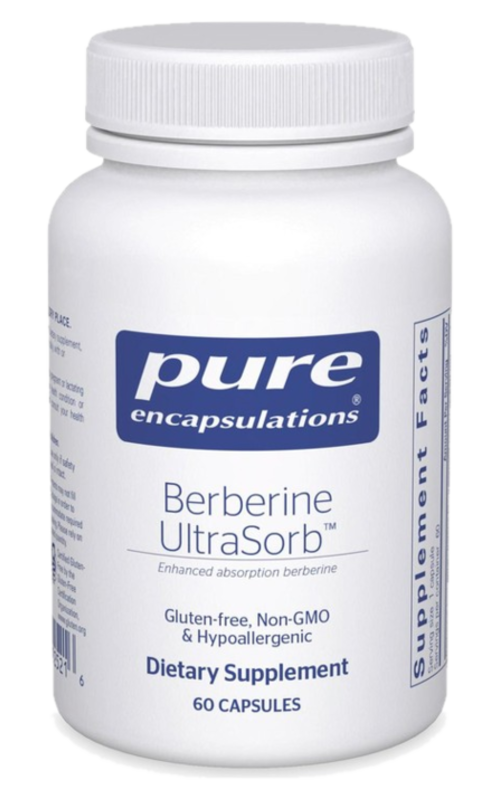
Thorne Berberine Dual-Action bottle
Thorne

Thorne Berberine

Dual-Action (HCl + Phytosome)
Serving Size:2 capsules
Total Package:30 servings (60 caps)
Declared Formulation Amount:1,000 mg combination (450 mg Berberine HCl + 550 mg Phytosome)
Declared Berberine Content:450 mg berberine HCl (+ 550 mg phytosome complex, berberine yield not separately disclosed by manufacturer)
Daily Directions & Cost:1–2 capsules two times daily with food or as recommended by healthcare practitioner (2–4 capsules / 1,000–2,000 mg daily) ($1.47 – $2.93 / day (2–4 capsules))
NSF-Registered cGMP Facility & Analytical Batch Testing
Source ↗

Manufactured in Thorne's NSF-registered cGMP facility in Summerville, SC. Comprehensive in-house testing for identity, potency, and contaminants. Facility cGMP registration does not constitute finished-product certification; finished-product certification was not publicly verified for this specific product (SKU SF800) in the NSF Certified Dietary Supplements registry.

$44.00 USD
$1.47 / serving Verified: 2026-10-25
Gluten-freeDairy-freeSoy-free
Sold by:Thorne Official Store / Authorized Retailers
View at Thorne ↗
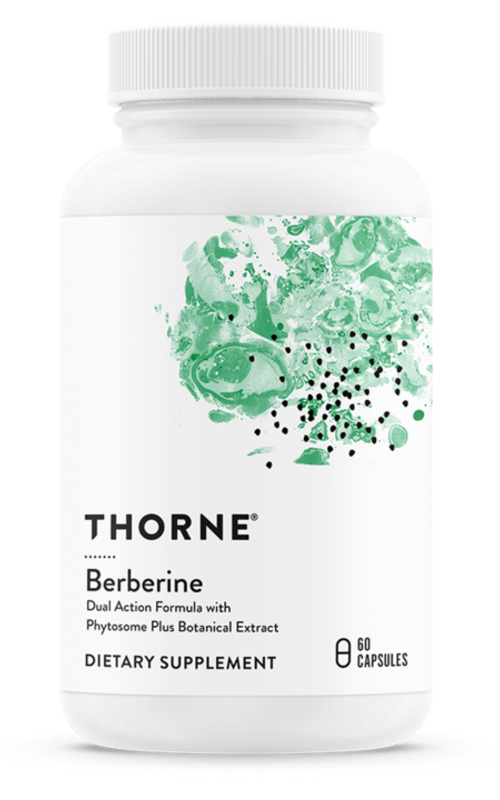
Pure Encapsulations Berberine UltraSorb bottle
Pure Encapsulations

Pure Encapsulations Berberine UltraSorb

Berberine Phytosome (Berbevis®)
Serving Size:1 capsule
Total Package:60 servings (60 caps)
Declared Formulation Amount:550 mg phytosome complex per serving
Declared Berberine Content:~154 mg berberine (calculated from declared 28% standardization in manufacturer factsheet)
Daily Directions & Cost:1 capsule, 1–2 times daily with or between meals (1–2 capsules / 550–1,100 mg complex daily) ($0.86 – $1.72 / day (1–2 capsules))
Manufacturer-Reported Batch Testing & cGMP Facility
Source ↗

Manufactured in a cGMP facility with manufacturer-reported raw material identity and finished batch testing for potency, heavy metals, residual solvents, and microbes. Finished-product certification was not publicly verified for this specific product in public registries.

$51.50 USD
$0.86 / serving Verified: 2026-10-25
HypoallergenicGluten-freeNon-GMOVegetarian
Sold by:Pure Encapsulations Direct / Authorized Retailers
View at Pure Encapsulations ↗
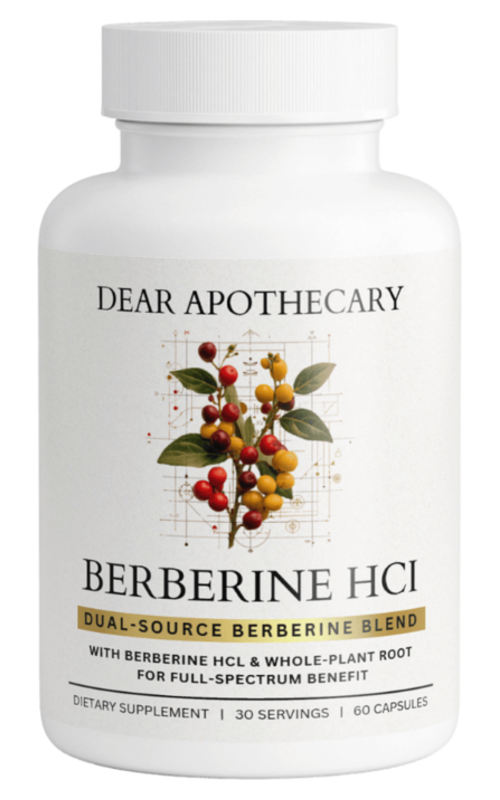
Dear Apothecary Berberine HCl 1,200mg bottle
Dear Apothecary

Dear Apothecary Berberine HCl

Dual-Source Berberine HCl (Bark + Root)
Serving Size:2 capsules
Total Package:30 servings (60 caps)
Declared Formulation Amount:1,200 mg Berberine HCl per serving
Declared Berberine Content:1,200 mg Berberine HCl from Berberis aristata bark and root
Daily Directions & Cost:2 capsules daily with meals (2 capsules / 1,200 mg daily) ($1.63 / day (2 capsules))
Manufacturer-Reported External ISO 17025 Lab Testing & cGMP Facility
Source ↗

Manufacturer reports finished-lot analytical testing by an independent ISO 17025 accredited laboratory for alkaloid potency, microbial limits, and heavy metals. Manufactured in a USA cGMP-compliant facility. Finished-product certification was not publicly verified for this specific product.

$49.00 USD
$1.63 / serving Verified: 2026-10-25
Non-GMOGluten-freeVegetarianDairy-freeSoy-free
Sold by:Dear Apothecary Official Store
View at Dear Apothecary ↗

Looking for detailed side-by-side formulation comparisons?

Compare chemical salt forms, facility certifications, and ingredient purity across verified brands.

Compare All Supplements →
Evidence Synthesis

Compact Evidence Overview

Summary of evidence strength across primary therapeutic targets.

View Full 11-Outcome Matrix on Research Page →
Health OutcomeEvidence StatusSummary of Clinical Evidence
Blood Glucose & HbA1cPromising EvidenceAverage −0.35 mmol/L fasting glucose and −0.45 percentage points HbA1c across 17 double-blind RCTs (Lei 2023).
LDL Cholesterol & TriglyceridesPromising EvidenceReductions of −0.41 mmol/L in LDL-C and −0.22 mmol/L in triglycerides; neutral effect on HDL-C.
Liver Enzymes in NAFLDPreliminary DataSignificant transaminase drops (ALT/AST) across 10 trials; histological fibrosis reversal unverified (Nie 2024).
Weight Loss / AdiposityLimited Clinical EffectModest average weight reduction (−0.88 kg / ~1.9 lbs in Vahed 2026); this trial did not find a statistically significant reduction in visceral fat or liver fat compared with placebo over six months (Lei 2026).
Transdermal Skin PatchesNot EstablishedCommercial patches lack published human pharmacokinetic or clinical efficacy data.
Prescription Drug InteractionsDocumented Safety FlagInhibits CYP3A4, CYP2D6, and P-glycoprotein; co-administration requires physician supervision.
Authoritative Scientific Synthesis

Berberine Clinical Evidence Guide: Pharmacology, Benefits, Weight Loss Reality & Supplement Review Tool

An objective, peer-reviewed evaluation of berberine pharmacology, meta-analytic cardiometabolic outcomes, viral weight loss claims, supplement formulations (HCl vs. Phytosome vs. patches), and safety standards.

1. What is Berberine and What Does Berberine Do?

Berberine is a bioactive quaternary ammonium isoquinoline alkaloid extracted from the roots, rhizomes, and bark of medicinal plants including Berberis vulgaris (European barberry), Hydrastis canadensis (goldenseal), and Coptis chinensis (Chinese goldthread). Used for centuries in traditional botanical medicine, modern clinical pharmacology evaluates berberine as a multi-target cardiometabolic regulator.

When examining what does berberine do at the cellular level, researchers emphasize its primary mechanism: the activation of adenosine monophosphate-activated protein kinase (AMPK). Known as the cell's "master energy sensor," AMPK coordinates cellular energy balance. When activated, AMPK promotes glucose uptake into skeletal muscle cells via GLUT4 transporter translocation and inhibits hepatic glucose and lipid synthesis.

Beyond AMPK signaling, berberine upregulates low-density lipoprotein receptor (LDLR) expression in liver cells by stabilizing LDLR mRNA via ERK pathways, operating independently of standard statins. In the gut, berberine modulates microbiota composition, reinforces the mucosal barrier, and stimulates enteroendocrine L-cells to release glucagon-like peptide-1 (GLP-1) locally within the intestinal lumen.

2. What is Berberine Used For and What is Berberine Good For?

In clinical medicine, what is berberine used for centers on cardiometabolic health and glucose regulation. Patients and clinicians evaluate what is berberine good for across three main therapeutic areas: blood sugar management in type 2 diabetes, lipid profile improvement in hyperlipidemia, and liver transaminase regulation in non-alcoholic fatty liver disease (NAFLD/MASLD).

The clinical benefits of berberine are supported by extensive human trial data. In a systematic review and meta-analysis of 17 randomized controlled trials with 1,485 human participants (Lei et al., 2023), oral berberine supplementation produced statistically significant reductions in glycemic biomarkers. Participants receiving berberine achieved an average reduction in fasting blood glucose of 0.35 mmol/L (~6.3 mg/dL) and an average drop of 0.45 percentage points in glycated hemoglobin (HbA1c).

Furthermore, berberine benefits extend to cardiovascular lipid management. Across pooled clinical cohorts, berberine administration consistently demonstrates average reductions of 0.48 mmol/L in total cholesterol, 0.41 mmol/L (~16 mg/dL) in LDL cholesterol, and 0.22 mmol/L in serum triglycerides, with neutral effects on protective HDL cholesterol. In hepatic trials, a 2024 meta-analysis by Nie et al. documented significant reductions in circulating ALT and AST transaminases, supporting liver health in individuals with metabolic hepatic steatosis.

3. Berberine Weight Loss: Does Berberine Help with Weight Loss?

A pervasive question driven by viral online claims is: does berberine help with weight loss, and is berberine for weight loss genuinely "Nature's Ozempic"? An objective review of the medical literature demonstrates a clear divide between social media marketing and published human clinical trial outcomes.

While online influencers portray berberine as a rapid fat loss compound or non-prescription semaglutide alternative, clinical evidence indicates much more modest effects. In a 6-month, multicenter randomized double-blind placebo-controlled trial published in JAMA Network Open (Lei et al., 2026) evaluating 337 adult patients across 11 hospitals, berberine did not produce a statistically significant reduction in visceral adipose tissue (VAT) or intrahepatic liver fat compared to placebo.

Similarly, a 2026 meta-analysis by Vahed and colleagues evaluating human clinical trials calculated an average weight reduction of −0.88 kg (~1.9 lbs). While berberine can modestly support metabolic health within a structured diet and exercise plan, the scientific consensus is clear: berberine weight loss is modest, gradual, and not clinically equivalent to pharmaceutical GLP-1 receptor agonists, which routinely yield 15% to 20% body weight reductions under physician care.

4. Berberine Supplements: Berberine HCl, Berberine Phytosome, and Patches

When selecting a berberine supplement, consumers encounter distinct chemical formats, delivery systems, and commercial formulations. Finding the best berberine supplement requires understanding the pharmacological differences between these choices.

Berberine HCl (Hydrochloride): The vast majority of clinical trials have evaluated standard berberine hcl, an affordable salt formulation typically standardized to 97% or higher alkaloid purity. Because standard berberine has low oral bioavailability (under 5% intact systemic absorption due to P-glycoprotein efflux and rapid first-pass liver metabolism), clinical dosing protocols recommend 500 mg taken two to three times daily with meals (1,000–1,500 mg/day) to sustain gastrointestinal and circulating levels.

Berberine Phytosome: To address absorption limitations, manufacturers developed phytosome complexes, notably Indena's patented formulation binding berberine extract to sunflower lecithin phospholipids and pea protein. Featured in commercial products such as Thorne berberine (Thorne Berberine-500), phytosome complexes demonstrate higher blood plasma concentrations in single-dose healthy volunteer trials. However, clinical researchers emphasize that improved pharmacokinetic bioavailability in healthy subjects does not automatically prove superior long-term disease outcomes compared to traditional berberine supplements in salt form.

Berberine Patches: Transdermal berberine patches have emerged commercially, claiming transdermal absorption bypasses stomach upset. However, berberine’s molecular structure—a hydrophilic quaternary ammonium cation with a molecular weight of 336.36 g/mol—faces severe biophysical barriers penetrating the lipophilic stratum corneum of human skin. Crucially, there are zero published, peer-reviewed human clinical trials demonstrating that transdermal patches deliver active berberine into the bloodstream. We classify transdermal patches as unestablished.

5. Side Effects of Berberine: Is Berberine Safe?

A vital consideration for patients is reviewing berberine side effects and evaluating whether is berberine safe for regular daily use.

For most healthy adults, oral berberine has an acceptable safety record when used at research doses (up to 1,500 mg daily) for 3 to 6 months. However, the most frequent side effects of berberine involve the digestive tract. Because unabsorbed berberine remains in the gut lumen, 10% to 20% of users report gastrointestinal discomfort, including abdominal cramping, diarrhea, constipation, nausea, and flatulence. In clinical studies, gastrointestinal irritation was commonly mitigated by dividing doses across meals and initiating protocols with smaller amounts under professional guidance.

The most critical safety warning involves Cytochrome P450 enzyme inhibition. Berberine strongly inhibits CYP3A4, CYP2D6, and P-glycoprotein drug transporters. Co-administering berberine with prescription medications metabolized through these pathways—including statins, immunosuppressants (cyclosporine, tacrolimus), anticoagulants, blood pressure medications, or metformin—can alter drug blood concentrations and elevate toxicity risks. Physician consultation is essential prior to use. Strict contraindications apply to pregnant individuals, nursing mothers, and infants.

6. About the Berberine Research Portal & Supplement Evaluation Tool

The Berberine Research Portal was engineered to provide an independent, evidence-backed scientific intelligence tool amid biased affiliate reviews. Our platform serves patients, physicians, and researchers seeking verified pharmacological reality.

Our independent supplement evaluation tool replaces marketing claims with a transparent, reproducible 4-domain scoring rubric totaling 100 points:

  1. Label Clarity & Active Alkaloid Disclosure (Max 25 pts): Evaluating whether packaging differentiates total complex mass from actual active berberine alkaloid yield.
  2. Documented Testing & Facility Certification Scope (Max 25 pts): Rigorously distinguishing between basic manufacturing facility cGMP audits and independent finished-product certifications (e.g., USP Verified, NSF Contents Certified).
  3. Source Traceability & Batch Verification (Max 25 pts): Verifying manufacturer batch documentation, analytical HPLC certificates of analysis, and inventory consistency.
  4. Price, Dosage & Math Transparency (Max 25 pts): Calculating verified cost per 500 mg active alkaloid serving, bottle supply economics, and one-time purchase terms.

We operate with strict commercial independence: we accept zero payment from supplement brands, feature zero sponsored ranking positions, and never sell dietary supplements on site. By connecting peer-reviewed clinical trials with objective product evaluations, our portal delivers trusted, evidence-based guidance for exploring berberine safely.

Clinical Evidence FAQ Hub•20 Verified Clinical Queries

Frequently Asked Questions About Berberine

Direct, evidence-backed answers to the top queries on berberine benefits, weight loss reality, dosage, kidneys, timing, and safety.

Basics & Biological Mechanisms

4 questions
What is berberine?

Berberine is a bioactive quaternary isoquinoline alkaloid naturally found in medicinal plants including European barberry (Berberis vulgaris), goldenseal (Hydrastis canadensis), and Chinese goldthread (Coptis chinensis). Used for centuries in traditional Ayurvedic and Chinese herbal practices, modern medical research evaluates oral berberine supplements for glycemic control, lipid regulation, and metabolic health.

What does berberine do?

Berberine activates AMP-activated protein kinase (AMPK), known as the cell's master energy regulator. Through AMPK stimulation, berberine promotes glucose uptake into muscle tissue, suppresses liver glucose production (gluconeogenesis), accelerates fatty acid breakdown, and enhances insulin sensitivity across peripheral tissues. It also modulates gut microbiota composition and intestinal endocrine signaling.

What does berberine do for the body?

In the human body, berberine exerts multi-system metabolic benefits: it lowers elevated blood glucose and HbA1c, improves circulating lipid profiles (reducing LDL cholesterol and triglycerides), decreases elevated liver transaminases (ALT/AST) in fatty liver disease, and supports healthy gut barrier integrity through microbiome modulation.

How does berberine work?

Berberine works through multi-targeted cellular pathways: (1) transient inhibition of mitochondrial respiratory Complex I, shifting the intracellular AMP/ATP ratio to activate AMPK, (2) post-transcriptional downregulation of PCSK9 to prolong LDL receptor half-life in the liver, and (3) local alteration of gut microbial diversity, enhancing short-chain fatty acid (SCFA) production and GLP-1 secretion from intestinal L-cells.

Metabolic Benefits & Blood Sugar

4 questions
What is berberine used for?

Berberine is used primarily as an evidence-supported dietary supplement for managing prediabetes and type 2 diabetes blood glucose, correcting dyslipidemia (high LDL cholesterol and triglycerides), and supporting liver health in metabolic dysfunction-associated steatotic liver disease (MASLD / NAFLD). Many clinicians also recommend it for polycystic ovary syndrome (PCOS) insulin resistance.

What is berberine good for?

Berberine is most effective for metabolic biomarker optimization. Human clinical trials show consistent benefits for fasting plasma glucose (-0.35 to -0.80 mmol/L), HbA1c reduction (-0.45% to -0.70%), total cholesterol (-0.48 mmol/L), and triglycerides (-0.22 mmol/L). Evidence for standalone athletic performance, acute fat loss, or cognitive enhancement remains unproven.

Does berberine work?

Yes, berberine works effectively for metabolic and glycemic endpoints, supported by dozens of peer-reviewed randomized controlled trials (RCTs). However, it does not work as a standalone obesity cure or an unguided replacement for prescription therapies such as metformin, statins, or GLP-1 agonists. Meaningful therapeutic outcomes require consistent dosing alongside dietary modifications.

Does berberine lower blood sugar?

Yes, berberine reliably lowers blood sugar. Meta-analyses of over 30 clinical trials demonstrate that 1,000 mg to 1,500 mg daily reduces fasting blood glucose by 15 to 20 mg/dL (0.8 mmol/L) and decreases HbA1c by 0.45 to 0.70 percentage points. Berberine acts by stimulating glycolysis, enhancing peripheral insulin sensitivity, and reducing hepatic glucose output.

Weight Loss & Clinical Reality

5 questions
Does berberine help with weight loss?

Berberine provides only modest weight loss in clinical trials, averaging 0.88 kg to 2.0 kg (~1.9 to 4.4 lbs) over 12 weeks according to a 2026 meta-analysis of 23 RCTs. A 2026 multicenter double-blind trial in JAMA Network Open found no statistically significant difference in visceral fat or liver fat versus placebo over 6 months. It does not replicate the dramatic appetite suppression or 15–20% weight loss of prescription GLP-1 medications.

Is berberine good for weight loss?

Berberine is rated 'Limited' for standalone weight loss. While it can assist body composition indirectly by improving insulin sensitivity and blunting postprandial glucose excursions, clinical evidence does not support using berberine as a primary anti-obesity intervention without caloric restriction and exercise.

Does berberine help you lose weight?

Berberine can assist with slight weight loss—typically between 1 and 4 pounds over 8 to 12 weeks—predominantly in individuals with preexisting insulin resistance or metabolic syndrome. It does not induce central nervous system appetite suppression, meaning lifestyle and dietary habits remain the dominant determinants of actual weight reduction.

How long does it take for berberine to work for weight loss?

In human trials, measurable changes in body weight and BMI require at least 8 to 12 consecutive weeks of consistent daily supplementation (1,000 to 1,500 mg daily). Noticeable shifts in blood glucose or digestion may occur within 2 to 4 weeks, but meaningful lipid and weight adaptations require 2 to 3 months of consistent use.

How to take berberine for weight loss?

In clinical trials evaluating metabolic and weight markers, researchers evaluated 500 mg of Berberine HCl taken orally 2 to 3 times daily alongside or immediately before carbohydrate-containing meals (totaling 1,000–1,500 mg/day). Dosing alongside meals was chosen in trials to blunt postprandial glucose excursions and reduce gastrointestinal irritation. Individual supplementation should be discussed with a qualified physician.

Dosage, Timing & Administration

4 questions
How much berberine should I take?

Clinical trials typically evaluate 1,000 mg to 1,500 mg of Berberine HCl daily, divided into 500 mg doses taken two or three times daily with meals. Doses exceeding 1,500 mg daily have not demonstrated additional clinical benefits in trials and significantly increase the incidence of gastrointestinal adverse effects. Dosing schedules should be determined by a healthcare provider rather than self-prescribed.

When is the best time to take berberine?

In clinical trials, berberine has been administered either directly with meals or shortly before eating. Because berberine has a short elimination half-life of several hours and impacts postprandial glucose uptake, trials commonly divided daily amounts across two or three meals. Consuming berberine with food also helps mitigate gastrointestinal irritation compared to taking it on an empty stomach.

When to take berberine?

Clinical trial protocols consistently administered berberine with or immediately before meals rather than on an empty stomach, which frequently provokes nausea, abdominal cramping, and diarrhea. For standard trial regimens of 1,000 to 1,500 mg daily, researchers divided doses evenly across main meals to maintain steady concentrations and minimize gastrointestinal side effects.

How to take berberine?

In research protocols, oral capsules were taken with water alongside meals. In clinical practice, healthcare providers often monitor patient tolerance by starting with lower divided amounts before reaching full study-equivalent doses, always taken with food to reduce gastrointestinal irritation. Screening for cytochrome P450 drug interactions with a physician or pharmacist is essential prior to initiation.

Clinical Safety, Kidneys & Interactions

2 questions
Is berberine safe?

In clinical trials lasting 12 to 24 weeks, oral berberine HCl (typically 1,000–1,500 mg/day) demonstrated acceptable tolerability in screened adult cohorts. However, adverse gastrointestinal events (diarrhea, constipation, flatulence, abdominal pain) are common, occurring in 10% to 34.5% of trial participants dose-dependently. Comprehensive safety data for continuous use beyond six months remain limited. Berberine is strictly contraindicated during pregnancy, lactation, and infancy, and carries major cytochrome P450 drug interaction risks.

Is berberine bad for kidneys?

In short-term trials of adults with normal renal function, berberine at research doses (1,000–1,500 mg/day) has not shown evidence of nephrotoxicity. While preliminary animal and cellular studies suggest pathways that may protect against diabetic renal injury, these findings have not been demonstrated in clinical endpoint trials. Because berberine metabolites rely on renal elimination, individuals with preexisting chronic kidney disease (CKD) or reduced eGFR (<60 mL/min/1.73m²) face altered clearance kinetics and should not use berberine without direct nephrologist oversight.

Supplement Forms & Delivery

1 questions
Do berberine patches work?

No reliable scientific evidence indicates that berberine patches work. Berberine hydrochloride is a bulky, ionized quaternary alkaloid with poor passive skin permeability. There are zero published peer-reviewed human clinical trials or pharmacokinetic studies demonstrating that transdermal patches deliver therapeutic blood concentrations. Oral capsules remain the only clinically verified delivery route.

✓

Editorial Standards & Scientific Methodology

Read Complete Editorial Policy →
Strict Evidence Hierarchy

We rely on peer-reviewed human randomized clinical trials (RCTs) and systematic meta-analyses. Animal experiments and cellular pathways are reported strictly for mechanism explanations and never presented as human efficacy.

Commercial Independence

We do not accept paid manufacturer promotions, product placement fees, or sponsored rankings. We do not award unsupported "best" or "most effective" badges. Outbound retailer links are provided for consumer convenience.

Distinct Review & Publication Dates

Academic publication dates are reported separately from editorial review dates. Review dates are updated only after a genuine manual audit against primary sources.